
Understanding the basics of gambling a beginner’s guide to safe play
The History of Gambling
Gambling has a rich and varied history that stretches back thousands of years. The earliest evidence of gambling dates to ancient China, where rudimentary games of chance using tiles were discovered. As civilizations developed, so did gambling, with the Romans and Greeks incorporating games into their social culture. Today, you can learn about these historical developments at a local casino site. These early practices laid the groundwork for the sophisticated gaming systems we see today.

Over the centuries, gambling evolved from informal bets among friends to organized activities. The establishment of casinos in Europe during the 17th century marked a significant turning point, providing a regulated environment for patrons. This evolution continued into the modern age, culminating in the online gambling revolution, which has transformed how people engage with games of chance.
The Different Forms of Gambling
Gambling can be categorized into various forms, each offering unique experiences and rules. Traditional forms include card games, dice games, and board games, while modern options such as slot machines and sports betting have gained immense popularity. Each form has its own set of strategies and odds, making it crucial for beginners to familiarize themselves with the specifics before placing any bets.
Online gambling has also surged in popularity, allowing players to access games from the comfort of their homes. This has introduced new types of gambling, including virtual poker rooms and live dealer games. Understanding these different forms is essential for safe play, as each offers unique risks and rewards.
Understanding Gambling Odds and Probabilities
One of the key aspects of gambling is understanding odds and probabilities. Odds represent the likelihood of a particular outcome, and knowing how to interpret them is crucial for making informed decisions. Different games offer varying odds, and understanding these can help beginners manage their expectations and make strategic choices.
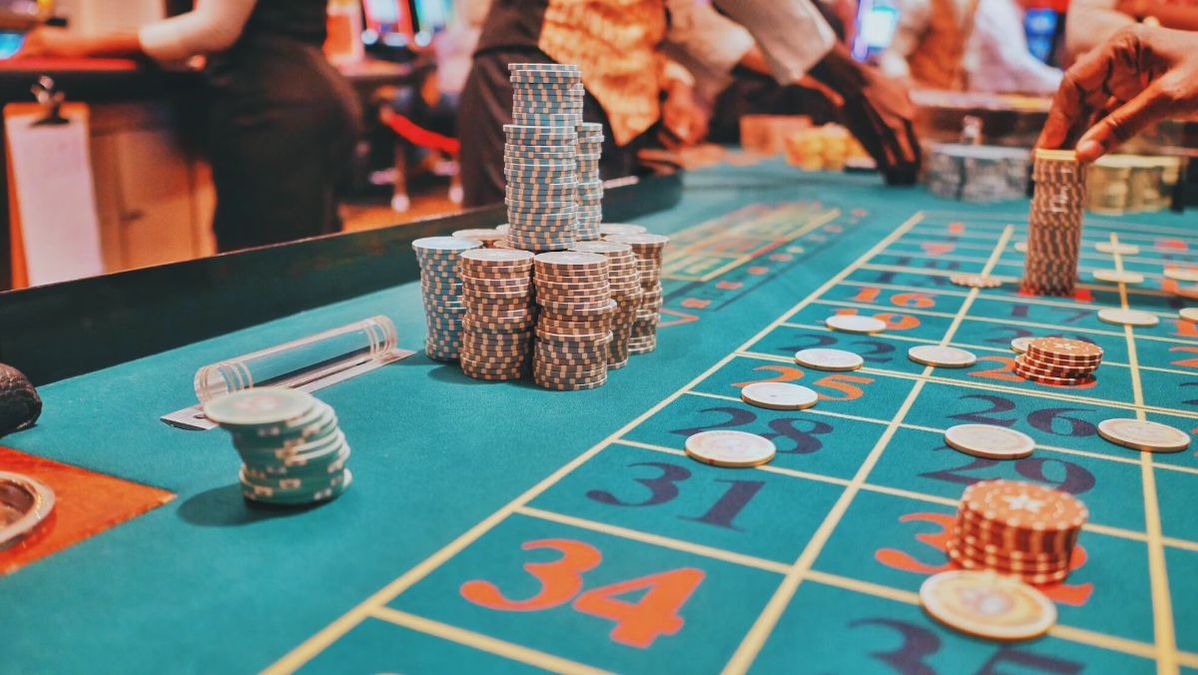
For instance, in games like roulette, the odds may be presented in fractional form, indicating the payout relative to the bet. Learning to calculate these odds is essential for responsible gambling, as it allows players to assess their chances and approach the game with a realistic mindset. This knowledge can prevent unnecessary losses and enhance the overall gaming experience.
Responsible Gambling Practices
Responsible gambling is paramount for anyone considering participating in games of chance. Setting limits on time and money spent is one of the most effective strategies for maintaining control. Gamblers should establish a budget and stick to it, ensuring that gambling remains a source of entertainment rather than a financial burden.
Moreover, it’s vital to recognize the signs of problem gambling. If gambling begins to interfere with personal relationships or responsibilities, seeking help is crucial. Many resources are available for those struggling with gambling issues, including support groups and counseling services. Emphasizing responsible gambling practices contributes to a safer and more enjoyable experience.
Exploring Toronto’s Gambling Scene
Toronto offers a vibrant and diverse gambling scene, with various establishments catering to both novice and experienced players. From luxurious casinos to smaller venues, there are plenty of options for individuals interested in exploring the local gaming culture. Each venue provides a unique atmosphere, making it an exciting destination for gamblers.
For newcomers, understanding the local laws and regulations surrounding gambling in Toronto is essential. Engaging with knowledgeable staff and participating in beginner-friendly games can enhance the experience. By exploring Toronto’s gambling landscape, visitors can enjoy the thrill of gaming while remaining informed about safe practices and responsible play.